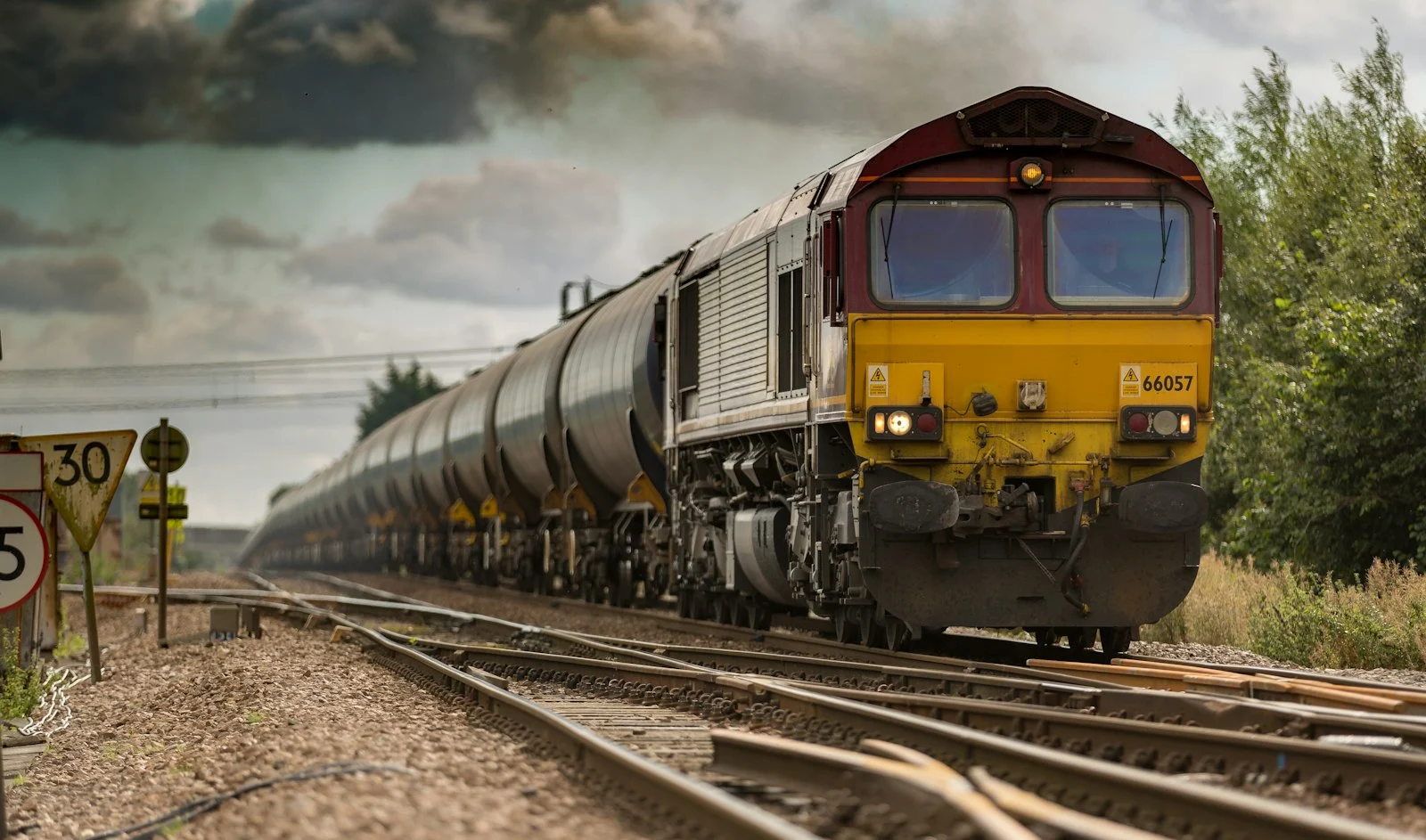
In an era where domestic flight connections have made hopping between distant metropolitan hubs a matter of two hours, travelling across India by train remains my uncontested, deliberate choice for truly understanding the country. Air travel teleports you between sterile terminals, reducing thousands of miles of cultural, linguistic, and ecological transitions into a monotonous sheet of cloud cover. Trains, by contrast, force you to feel the vastness of the subcontinent in your very bones.
Indian Railways Exploration: The Solo Traveler’s Playbook
The Indian railway network spans over 68,000 route kilometers, operating 13,000 passenger trains daily. Navigating it like a seasoned traveler requires understanding coach classes, station rhythms, and route dynamics.
- My Go-To Coach Classes: 3AC (Third AC) for balanced comfort, reliability, and social interaction; Sleeper Class (SL) for raw, breezy landscape photography and rural character; 2AC for uninterrupted long-distance rest.
- Essential Travel Companion Items: Universal multi-plug adapter, sturdy bicycle cable lock for luggage, compact sleeping sheet, wet wipes, and an insulated water bottle.
- Best Epic Rail Routes: Konkan Railway (Mumbai to Goa/Kerala), Mandovi Express coastal run, Kalka-Shimla Himalayan toy train, and the Grand Trunk Express cross-country traverse.
- Booking Strategy: Book 60 to 90 days in advance via IRCTC, or utilize Tatkal quotas strictly at 10:00 AM (AC) or 11:00 AM (Non-AC) for urgent departures.
Table of Contents
- The Poetry of Motion: Watching Landscapes Shift in Real Time
- Decoding the Coaches: From Sleeper Class Camaraderie to 2AC Silence
- The Midnight Station Theatre: Chai Wallahs, Junctions, and Brass Bells
- Unscripted Human Connections: The Moving Living Room of India
- The Hard Realities: Delays, Berth Logistics, and Hygiene Management
- Travel Class Comparison Matrix: Cost, Comfort, and Experience
- Practical Tips for Long-Distance Indian Train Travel
- Frequently Asked Questions (FAQ)
1. The Poetry of Motion: Watching Landscapes Shift in Real Time
There is a singular visual rhythm to travelling across India by train that cannot be replicated by any other transport medium. Sitting by an open barred window in Sleeper class or gazing out the tinted double-paned glass of an air-conditioned coach, you witness the subtle geographic morphing of the land.
Boarding a train in Delhi on a foggy December morning, you watch the mustard fields of Haryana and Punjab blur into pale yellow ribbons. By afternoon, the terrain flattens into the arid dust of eastern Rajasthan. Wake up at dawn the next morning, and the dry plains have given way to the deep black volcanic soil and cotton acreage of central Maharashtra. Within forty-eight hours, the architecture of farmhouses evolves, women’s saris transform in color and drapery, and the languages spoken by platform vendors shift from Hindi to Marathi, and eventually to Kannada or Malayalam.
A flight drops you into a new world without context; a train journey teaches you the geographic and cultural bridge that connects them.
2. Decoding the Coaches: From Sleeper Class Camaraderie to 2AC Silence
Each class on Indian Railways represents a completely distinct psychological and social universe. Over hundreds of journeys, I have experienced nearly all of them, from non-reserved General coaches to luxurious First Class coupes.
Sleeper Class (SL): The true heartbeat of the country. With open windows that invite the smell of wet soil, diesel exhaust, and coal soot, it is noisy, intensely social, and exhilarating. It is not for the faint of heart during peak Indian summers, but for pure photography and authentic encounters, it is unmatched.
3-Tier AC (3AC): My default recommendation for long-distance solo travel. You receive air-conditioned climate control, clean linen packs, curtains (in newer 3E coaches), and functional charging ports, while retaining the open, communicative energy of six-berth bays.
2-Tier AC (2AC) & First AC (1AC): These upper tiers cater to travelers who prioritize quiet workspaces, reading hours, and deep sleep. With four berths per bay in 2AC and private lockable cabins in 1AC, interactions decrease dramatically, replaced by hushed conversations and reading lights.
3. The Midnight Station Theatre: Chai Wallahs, Junctions, and Brass Bells
One of my favorite experiences while travelling across India by train occurs when the locomotive slows to an unannounced stop at an obscure junction at 2:30 AM. Outside, the sodium-vapor yellow platform lights cut through midnight fog. You step onto the cool platform while the engine drinks water or waits for a high-priority Rajdhani Express to roar past on the through-line.
A platform vendor pushes a wheeled cart carrying a smoking brass samovar, crying out the eternal, melodic cadence: “Garam Chai… Chai Garam!” For fifteen rupees, you receive a steaming terracotta cup of strong, ginger-cardamom tea that warms your palms against the nocturnal chill. Porters in crimson tunics carry brass trunks balanced gracefully on their heads, while stray station dogs sleep peacefully beside iron scales. It is pure living theatre that never sleeps.
4. Unscripted Human Connections: The Moving Living Room of India
On an Indian train, privacy is a fluid concept that quickly yields to warm, generous communal bonding. Within thirty minutes of departure, steel tiffin dabbas are unlocked. An elderly couple traveling from Varanasi will insist you share their homemade puris, dry aloo subzi, and mango pickle.
I have spent 24-hour journeys debating macroeconomic policy with retired college professors, learning the nuances of seed hybridization from cotton farmers in Vidarbha, and sharing Spotify playlists with young engineering students heading to Bangalore for their first job interviews. You enter the coach as solitary strangers and disembark at your destination having exchanged phone numbers and gained intimate insights into families you would never have otherwise encountered.
5. The Hard Realities: Delays, Berth Logistics, and Hygiene Management
Romanticizing train travel without acknowledging its genuine frustrations does a disservice to aspiring travelers. Indian Railways is a gigantic system operating under immense density, and challenges are inevitable:
- Fog Delays in Northern Winters: Between late December and mid-January, dense fog across Uttar Pradesh, Bihar, and Delhi can cause express trains to run 8 to 14 hours behind schedule. Always buffer onward transit plans during winter.
- The Side Upper vs Side Lower Dilemma: While the Side Lower berth offers prime daytime window views, fellow passengers will sit on your bed until bedtime. The Side Upper berth gives complete sovereign privacy, allowing you to sleep, read, or work whenever you desire.
- Restroom Cleanliness: On 30-hour journeys, washrooms can deteriorate depending on maintenance. Choosing coaches closest to the attendant cabin and utilizing “Clean My Coach” SMS / RailMadad app requests generally prompts onboard staff to clean facilities during major halts.
6. Travel Class Comparison Matrix: Cost, Comfort, and Experience
| Coach Class | Average Cost (1000 km) | Comfort Level | Social Atmosphere | Best For |
|---|---|---|---|---|
| Sleeper Class (SL) | ₹450 – ₹600 | Basic / Natural Ventilation | Vibrant & Highly Social | Budget explorers, open window photography |
| 3-Tier AC (3AC) | ₹1,200 – ₹1,500 | High / Air Conditioned | Friendly & Balanced | Solo travelers, digital nomads, overnight trips |
| 2-Tier AC (2AC) | ₹1,800 – ₹2,300 | Very High / Spacious | Quiet & Restrained | Couples, senior travelers, focused reading |
| 1st AC (1AC) | ₹3,000 – ₹4,000 | Luxury / Lockable Coupe | Secluded & Private | Maximum privacy, romantic journeys |
| Vande Bharat Chair Car | ₹1,400 – ₹1,800 | Modern European Express | Commuter / Business | Daytime intercity trips under 8 hours |
7. Practical Tips for Long-Distance Indian Train Travel
To ensure your rail adventures across the country are memorable for the right reasons, incorporate these proven field habits:
- Download Offline Railway Apps: Tools like Where is My Train use cell tower triangulation rather than GPS or internet data, allowing you to accurately track your locomotive’s real-time speed, upcoming station platforms, and delay status deep in rural tunnels.
- Order Fresh Meals via IRCTC e-Catering: Rather than relying solely on pantry car food, use your PNR number on the official e-Catering app to order hot meals from reputable brand restaurants delivered directly to your berth at major intermediate stations.
- Carry a Small Extension Multi-Plug: Berth charging sockets are frequently loose or already claimed by co-passengers. Having a compact two-pin adapter with dual USB ports makes you the most popular person in your bay.
- Padlock Your Rucksack Under the Lower Berth: While severe theft is uncommon in AC coaches, loop a lightweight wire cable lock through your pack’s frame and around the under-berth iron clamp so you can sleep peacefully.
8. Frequently Asked Questions (FAQ)
Is travelling across India by train safe for solo female travelers?
Yes. 3AC and 2AC coaches are generally very safe and populated by families. Indian Railways also reserves dedicated female berths in Sleeper class, and the Railway Protection Force (RPF) patrols coaches regularly. Booking an upper berth provides extra privacy and comfort.
What should I do if my train ticket is on RAC or Waiting List?
RAC (Reservation Against Cancellation) guarantees that you can physically board the train and provides a confirmed sitting seat, which often converts to a full sleeper berth as cancellations occur before chart preparation. If your ticket remains on Waitlist (WL) after charting, it is automatically cancelled and you cannot board reserved coaches.
How clean are the bedding kits provided in AC coaches?
In 3AC, 2AC, and 1AC coaches, passengers receive freshly laundered sealed packets containing two bedsheets, a pillowcase, a face towel, and a clean wool blanket. If any item is damp or soiled, the coach attendant is obligated to replace it immediately.
Ultimately, travelling across India by train is far more than transit. It is a slow, soulful immersion into the collective consciousness of a vibrant subcontinent—a journey where the rails themselves become the destination.