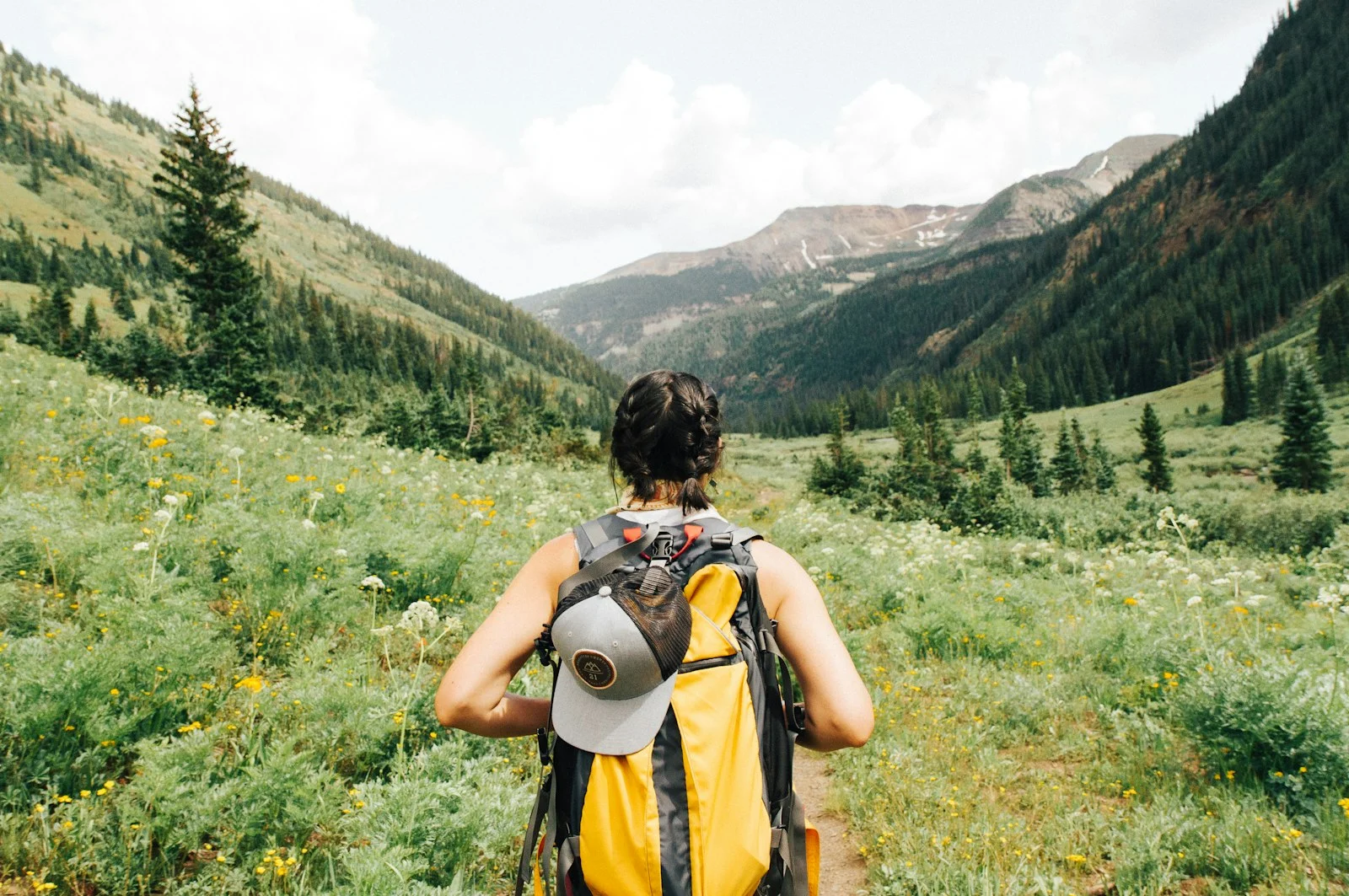
Social media algorithms have spent the last decade romanticizing the solo travel genre into an effortless montage of golden-hour mountaintop silhouettes, meditative coffee sips in quaint hill cafes, and cinematic drone shots. But travelling solo in India is a visceral, unfiltered reality that tests your emotional resilience, problem-solving instincts, and personal boundaries far more than any curated travel reel will ever admit.
Solo Exploration in India: Realities at a Glance
Navigating the Indian subcontinent completely on your own requires a blend of sharp situational awareness, emotional stamina, and grounded operational habits.
- The Core Psychological Dynamic: The sudden transition between overwhelming external sensory stimulation (crowds, traffic, noise) and profound internal solitude inside your hotel room at night.
- Critical Safety Principle: Trust your gut instinct unconditionally; firm, polite boundaries prevent 99% of uncomfortable situations.
- Financial Safety Net: Always carry emergency cash (₹3,000–₹5,000) split between two separate bags, as UPI digital payments occasionally fail in remote mountain gorges.
- Social Lifeline: Boutique backpacker hostels (like Zostel or local homestays) provide an effortless balance between solo sovereignty and instant evening camaraderie.
Table of Contents
- The Initial Shock: Sensory Overload Meets Absolute Independence
- The Unspoken Loneliness: What Happens When the Camera Turns Off
- Safety and Hyper-Vigilance: The Reality of Being Your Own Guardian
- Meeting Strangers: Discerning Genuine Hospitality from Tourist Traps
- The Hidden Solo Tax: Single Supplements and Logistics Expenses
- Solo Travel vs Group Travel Reality Matrix in India
- My Non-Negotiable Rules for Thriving as a Solo Traveler in India
- Frequently Asked Questions (FAQ)
1. The Initial Shock: Sensory Overload Meets Absolute Independence
When you embark on travelling solo in India, the initial 48 hours can hit you like a freight train. India is an intensely sensory country: colors are brighter, traffic horns are relentless, fragrances of incense collide with exhaust fumes, and personal space is virtually non-existent in urban transit centers.
When you travel with a companion, you share this cognitive load. You joke about a missed bus, divide luggage watching duties at crowded railway stations, and bounce decisions off each other. When you are alone, every micro-decision falls squarely on your shoulders: Which platform is the train on? Is that auto-rickshaw fare fair? Is this alley well-lit enough to walk down at 9:00 PM? The mental fatigue of constant hyper-vigilance during your first week is immense.
2. The Unspoken Loneliness: What Happens When the Camera Turns Off
Nobody talks enough about the acute loneliness that can ambush you while traveling alone. You spend an exhilarating afternoon exploring ancient stepwells in Bundi or hiking across high pine ridges in Himachal Pradesh. The scenery is intoxicating, and your notebook is full of creative observations.
Then, the sun dips below the horizon. You return to a quiet guesthouse room. You sit on the bed with a water bottle, stare at the ceiling fan spinning lazily, and realize you haven’t spoken more than ten functional sentences all day. Having a profound, awe-inspiring experience with no one by your side to say “Look at that!” can feel strangely hollow at first.
Over time, however, you learn to transform loneliness into comfortable solitude. You realize that you do not need an external mirror to validate what you see. You begin to observe the world more keenly because your attention is not consumed by conversation with a companion.
3. Safety and Hyper-Vigilance: The Reality of Being Your Own Guardian
Safety while travelling solo in India is neither the terrifying nightmare portrayed by sensationalist foreign news nor the completely carefree paradise claimed by naive backpackers. It is a disciplined craft that relies on intuitive boundary setting and proactive habits.
The golden rule of solo travel in India is simple: Politeness never takes precedence over personal safety. If a situation, driver, guide, or fellow passenger makes you feel instinctively uneasy, you do not owe them a polite smile or conversation. Step away immediately, enter a crowded shop, or call local helpline numbers without hesitation. Ninety-nine percent of Indians are extraordinarily helpful and hospitable, but maintaining firm boundaries ensures you never fall victim to opportunists.
4. Meeting Strangers: Discerning Genuine Hospitality from Tourist Traps
One of the most rewarding dimensions of solo travel in India is the sheer warmth of everyday people. Because you are alone, locals perceive you as approachable. Shopkeepers invite you for chai, families on trains offer homemade food, and student groups ask for selfies and conversations about where you are from.
The skill you develop over months on the road is calibration. You learn to distinguish between genuine Indian hospitality (which asks for nothing in return and is rooted in the cultural ethos of Atithi Devo Bhava) and transactional charm (which begins with overly eager compliments near monument entrances and ends with an aggressive detour into a gem or textile emporium).
5. The Hidden Solo Tax: Single Supplements and Logistics Expenses
Solo travel is universally more expensive per person than traveling as a pair or trio. In India, several specific logistical costs hit solo travelers hard:
- Private Cabs and Taxis: A ₹2,500 taxi hire from Dehradun airport to Rishikesh or Mussoorie is reasonable when split four ways; paying the full fare alone eats into your weekly budget rapidly.
- Hotel Room Rates: Most boutique heritage hotels and homestays charge by the room rather than per person, meaning a single occupant absorbs the full double-occupancy tariff.
- Food Portions: Traditional Indian dining is communal. Ordering a main curry, dal, rice, and bread in a sit-down restaurant often produces enough food for two, leading to either food waste or limited culinary variety per meal.
6. Solo Travel vs Group Travel Reality Matrix in India
| Aspect | Solo Travel Reality | Group / Partner Travel Reality | Verdict |
|---|---|---|---|
| Daily Freedom | 100% sovereign; change route at whim | Requires compromise, fixed itineraries | Solo wins completely |
| Per-Day Cost | Higher per person (no shared rooms/cabs) | Lower per person (split expenses) | Group is more economical |
| Local Interaction | High; locals approach you naturally | Low; group creates an insular bubble | Solo enables deeper cultural immersion |
| Safety Logistics | Requires constant vigilance & planning | Shared security, someone watches bags | Group provides built-in safety net |
| Personal Growth | Massive confidence & self-reliance | Fun & shared memories, less self-testing | Solo transforms your personality |
7. My Non-Negotiable Rules for Thriving as a Solo Traveler in India
After years of solo expeditions across remote valleys, coastal highways, and heritage cities, here are the core operational rules that keep me safe, sane, and inspired:
- Arrive in New Cities in Daylight: Never schedule overnight buses or unverified trains that drop you into an unfamiliar bus terminal at 3:00 AM. Always aim to check into your accommodation between 10:00 AM and 4:00 PM.
- Share Live Location with Family: Use WhatsApp or Google Maps to share persistent 24-hour live location with a trusted friend or family member, along with your vehicle registration number whenever taking cabs.
- Embrace Hostel Common Rooms: Even if you book a private room for sleep quality, spend evenings in community hostels. Swapping notes with other solo wanderers gives you invaluable ground truth on road conditions, scams, and hidden spots.
- Pack Light (One 45L Pack Maximum): If you cannot sprint 100 meters while carrying all your possessions, you are overpacked. Being mobile and unburdened is your greatest tactical asset when navigating busy stations or steep mountain staircases.
8. Frequently Asked Questions (FAQ)
Is India too overwhelming for a first-time solo traveler?
If you have never traveled solo anywhere before, starting in high-intensity hubs like Old Delhi or Varanasi can indeed be overwhelming. Consider starting your solo journey in gentle, backpacker-friendly destinations such as Kerala, Himachal Pradesh (Bir, Dharamkot), or Rajasthan (Udaipur) before tackling more intense routes.
How do you deal with getting sick while traveling alone?
Carry a comprehensive medical kit containing ORS rehydration salts, anti-motility tablets, antacids, paracetamol, and water purification tablets. If you fall ill, check into a comfortable private hotel room, notify the front desk, and use online telemedicine apps (like Practo) for immediate doctor consultations.
Do you need to speak fluent Hindi to travel solo in India?
No. English is widely understood in hotels, stations, transport hubs, and restaurants across the country. Learning a few basic Hindi phrases (like numbers, “Kitna hua?” for cost, and “Dhanyavaad” for thank you) will earn you immense goodwill and respect.
Despite the challenges, travelling solo in India remains the most transformative education you can give yourself. It strips away your illusions, dismantles your anxieties, and proves that you are capable of navigating the richest, most complex country on Earth entirely on your own strength.